Essential Oils for Productivity and Focus (Work/Studying)

Essential Oils for Productivity & Focus - Best essential oils for productivity at work or with school. The science behind it, which are best, and DIY blend recipes. #essentialoils #aromatherapy #diy #work #school

This post contains affiliate links to Plant Therapy. Plant Therapy is a brand of essential oils I personally use and love (I’m not sponsored by them). Other quality brands I use and trust include Mountain Rose Herbs and Aura Cacia. This post is helpful in making your own decision about what brand to buy (there are many quality ones out there!).

With it being January and everyone out here #riseandgrind’ing and trying to crush their resolutions, I figured this would be a timely aromatherapy topic. Let’s talk about how we can use essential oils for productivity and focus, whether that’s at work or for school.

I’ll share specific blend recipes that I personally use when I work from home, and will also talk about the “why” behind it all. Why these specific oils? Why does this help with focus? How is aromatherapy effective in this area? Anyone can Google, “essential oils for studying”—but my goal whenever I share aromatherapy content on here is to really teach you something new so you understand not just what to do but why you’re doing it. That’s an elaborate way of saying: This post is long AF (lol).

If you’re brand new to essential oils, check out my Essential Oils 101 intro series:

How Can Essential Oils Help with Productivity and Focus at Work/School?

Let’s talk about the human body. There is a strong connection between the nose and the brain thanks to the limbic system. Located deep within the brain, the limbic system responds to sensory stimulation from the external environment (i.e. scent) and is associated with memory, emotion, and primitive drives and reactions. When it comes to work and studying, that memory-scent association is of particular significance.

Olfactory bulbs in the upper nose pick up stimuli (odor molecules bound to olfactory receptor neurons) and communicate directly to the hypothalamus and limbic center of the brain. This signals the release of neurotransmitters, which can then affect emotions and memory stimulation. The nervous system is a part of the body’s physical makeup, but also where all psychological processes take place. This inextricably links the body and mind—all that is psychological and emotional manifests physically as well.

Scent can trigger memories, help you stay focused, and aid in studying. In fact, a memory linked with a scent is recalled more easily because the limbic brain is so closely associated with the sense of smell. So let’s say you’re studying for a big exam. Use essential oils (we’ll get into which ones soon) while you study for the test. Inhale the oils again before and during the exam to trigger the memory associations made while studying. Obviously you’re not going to show up with a diffuser to your exam, so you can simply place a few drops on a tissue and inhale that way.

Essential Oils Can Also Help with the Bigger Picture

Before we get to the specific essential oils I’d recommend using, let’s make sure that we’re looking at the issue holistically. Take a step back and as yourself: What’s causing me to be unproductive in the first place? Any time you assemble an essential oil blend, you want to go beyond the symptoms and look at the cause as well. This type of synergy blend is going to be the most effective.

Is your inability to be productive due to stress and anxiety? Maybe you’re down in the dumps or feeling depressed and that’s making it hard for you to focus? Incorporate essential oils that address these issues into your blend instead of just reaching for the Lemon oil because you know Lemon is good for productivity. I’ll give suggested oils for all these mental/emotional blocks down below.

That being said, maybe there’s nothing wrong per se, and nothing in particular causing you to be unproductive. You just want something pleasant to diffuse to help you get in the zone. Then my general Work/Study Blend is great as-is (more on that below). 

The Ritual

Beyond the essential oils themselves, something I find really helpful is the ritual or habit of preparing the blend and diffuser before getting to work. You may find that setting up your diffuser each morning at your desk or in your office has almost the same effect as preparing a cup of coffee. It makes you feel ready, settled and—dare I say—excited to get to work. That’s how I feel anyway! When I stopped drinking coffee a couple years ago, I found that the thing I missed most about it wasn’t the coffee itself (although I do love that smell), but the ritual of preparing and drinking it to start my day. In a way, aromatherapy is my new cup of coffee.

Connecting to Nature

There’s also something to be said for the way aromatherapy and essential oils connect us back to nature, even in a small way. In today’s modern world, many of us are disconnected from the natural world around us, and whether we realize it or not, that can take a heavy toll. Just think about how rejuvenating and calming it is to take a hike through the woods or lay in the sand by the ocean—us city-dwellers need more of that!

It’s no substitute for being outside, but having the scents of flowers and trees subtly diffusing through the air while we work in our office or study at our desks makes the experience more pleasant. Chemical constituents and essential oil science aside, I think we can all agree that subtle, pleasant scents enhance an environment. Period.

Two apartments ago, my desk was right by a big window. Granted the view was of a sketchy city intersection, but just having the sun stream in on me and a breeze touch my skin as I worked was amazing. It put me in a great mood, I enjoyed being there at my desk, and I got a ton of work done. In my previous apartment, my desk was up against a wall and the one small window across the room doesn’t get much natural light. It was brutal! I noticed I just could not get any work done. I’ve always been a procrastinator, but this was next level because I hated being at my desk. If I wanted to get anything accomplished, I had to go work at a coffee shop.

I can’t explain what a game changer diffusing essential oils at that dark desk was. I still missed the natural sunlight (happy to report our current place is sunny!), but working at my desk was a hell of a lot more pleasant with my favorite natural scents wafting around me. Way easier to get work done when you can tolerate your work environment! 😉

Essential Oils for Productivity and Focus

Let’s start with the standout essential oils for productivity with studying or work. If you’re going to make a blend, I’d include one or two of these in it. Or you could always use one on its own! Find the scent combinations and properties that work for you. In general, stimulating essential oils are preferred when creating a blend for focus and productivity at work or school.

Lemon

Lemon is an uplifting scent, and used for memory stimulation and mental alertness. Researchers in Japan have found it to be effective for productivity and focus. In a study, they discovered that when rooms were scented with its fragrance, there was a 54% decrease in typing errors by employees who worked with computers.

Eucalyptus

Eucalyptus is a stimulating essential oil. It can increase alertness and prevent lethargy. For some, it has been found more effective than caffeine, and without the side effects. As a side note, it’s also a go-to for congestion and respiratory ailments, so add it to your work/study blend during cold and flu season!

Peppermint

Similar to Eucalyptus, Peppermint is a stimulating essential oil, often indicated for productivity, focus and mental alertness.

Basil

Linalool, a chemical constituent found in many essential oils, is known to reduce stress. Basil essential oil is high in linalool, and with stress reduction can come mental clarity and better ability to focus.

Rosemary

Rosemary is another stimulating essential oil, and can be used to increase alertness and aid memory retention.

In regard to the above list, I wouldn’t diffuse Basil on its own as the odor is pretty intense. Great in a blend though! Peppermint can be overbearing on its own as well.

Other Helpful Essential Oils

In addition to the five essential oils listed above, the following can aid with concentration and help increase alertness

  • Cypress
  • Ginger
  • Juniper
  • Lemongrass
  • Pine

Essential Oil Blend Recipes for Productivity and Focus

I’m going to separate my go-to focus blend recipe into another blog post since this one is already so long! Recipe is listed below, but I’ll post tomorrow for an in-depth dive into oil choice and ways to customize to fit your preferences and needs.

Because of the scent-memory connection explored at the start of this post, I recommend inhalation as your method of application when it comes to essential oils for productivity and focus (vs topical application).

If you work from home or your office/cubicle setup allows for it, a diffuser will be your first choice. Typically 8-10 drops in distilled water in your diffuser is best. More is not more when it comes to essential oils, and you want the scent to be subtle. I recommended using the intermittent setting on your diffuser instead of letting it steadily spew. I’ll keep it on intermittent for 15 or so minutes then shut it off for a bit. An hour later, I’ll turn it back on. If your diffuser doesn’t have an intermittent setting, you could use fewer drops, but keep the recipe ratios the same.

If you don’t have a diffuser, or can’t have one in your office, you could alternatively make a room spray mist. In 2 oz of distilled water, mix in 10 drops of essential oils. Put in a small spray bottle and mist a couple sprays into the air around you when you need a little pick-me-up throughout the work day.

To be a low-key as possible, you could also place a couple drops of your blend or essential oil of choice on a tissue or cotton ball and breathe the scent in that way with a few deep inhales and exhales.

My Go-To Essential Oil Blend for Focus (Work/Study Blend)

Head on over to this post for more on this blend and all the ways you can modify it to suit your individual needs!

INGREDIENTS

  • 5 drops Lemon
  • 3 drops Rosemary
  • 1 drop Basil
  • 1 drop Peppermint

DIRECTIONS

I typically put 10 drops of essential oils in my diffuser. If you want a subtler scent though, you could always use fewer, keeping the ratios the same. If you’re going to use 10 drops, simply add them to the diffuser along with water to the designated fill line.

You could also make a bigger batch ahead of time to have your Productivity blend ready to go. Use the same ratios, increasing drop numbers to accommodate the small jar you’re using. Shake well.

For more information on shelf life and properly storing essential oils, check out this post.

More is not more when it comes to essential oils. You want a subtle—not overpowering—aroma. If your diffuser has an intermittent setting use that. I like to diffuse (on intermittent) for 10-15 minutes and then shut it off for the rest of the hour. Continuing like that throughout the work day.

THIS POST further breaks down this blend and shows you how to customize it.

xo Nicole

The statements and blends referenced in this post have not been evaluated by the Food and Drug Administration. Products and/or information are not intended to diagnose, treat, cure or prevent any disease. If you are pregnant, nursing, have a medical condition or are taking any medication, consult with your physician before using any essential oil or blend.

I’m a Certified Holistic Aromatherapist through the Institute of Integrative Aromatherapy. Any facts stated in this post that aren’t accompanied by a direct reference came from my course materials and studies. I only share blends with you that I’ve personally used and from which I’ve benefited. I stand behind them 100%! That being said, essential oil blends are most effective when made with the individual in mind. What works well for one person, may not have the same outcome for another.
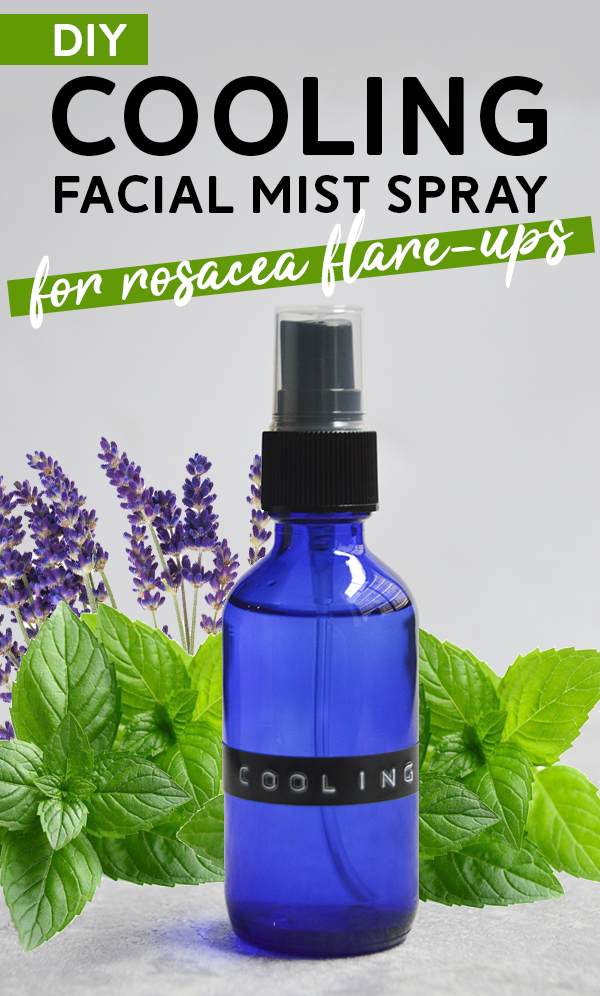
DIY Cooling Facial Mist for Rosacea Flare Ups

DIY Cooling Facial Mist for Rosacea Flare Ups - using essential oils and aloe, you can make this easy cooling facial mist at home! #rosacea #essentialoils #aromatherapy #diy #skincare

This is the fourth and final post (for now, anyway) focusing on rosacea. I’ve covered my experience and how essential oils can help rosacea; shared the facial oil blend I personally use for it; and shared a chamomile toner that’s great for rosacea and sensitive skin in general. To round it up, here’s the cooling facial mist spray I use for rosacea flare ups.

Before we get to it, I want to remind you that I am a Certified Aromatherapist, not a doctor. I 100% stand by aromatherapy as a complementary therapy for skin issues like rosacea, but the information in this post is not intended to replace advice from your dermatologist.

How This Cooling Facial Mist Can Help Rosacea Flare Ups

As we covered in the first post of this series, rosacea is primarily caused by poor elasticity in capillary walls. So what’s happening during a flare-up is that blood is rushing to the face and capillary walls are expanding in response. Because they’re not sufficiently elastic, however, they’re not properly contracting again to their original size or shape. This results in distended capillary that are holding blood cells and giving the red appearance on your face.

Peppermint Hydrosol (or Essential Oil)

Peppermint essential oil was chosen for this cooling facial mist because it cools by constricting the capillaries. Exactly what we want during rosacea flare ups! Now Peppermint can be a skin irritant if used in a strong dilution for any skin type, so we want to include it in the cooling mist, but never at a dilution of more than 1%. And while we’re on the topic of safety, Peppermint should be avoided if pregnant/lactating or if you have a history of epilepsy or cardiac fibrillation. Also you shouldn’t use on kids under the age of 2 (menthol vapor can inhibit respiration in young kids).

To get a low concentration of Peppermint in our cooling mist, we can either use a small number of drops of essential oil or we can opt for a Peppermint hydrosol instead of the oil. I’ve tried both and will include blend recipes for both below. If you have really sensitive and easily irritated skin, I’d strongly suggest skipping the essential oil and using Peppermint hydrosol instead. A hydrosol is the water produced during the steam distillation of Peppermint plant. It contains water-soluble fragrance molecules and only a very small amount of essential oil.

Lavender Essential Oil

Lavender essential oil is included in the cooling mist blend as well. It’s a gentle oil that’s safe for pretty much all skin types. It’s great for any inflammation of the skin, and is an adaptogenic oil, meaning it can both increase and decrease certain skin functions to normalize the skin based on individual need. In other words, it’s a balancing oil. I did a whole post on lavender essential oil if you want to learn more.

Aloe Vera

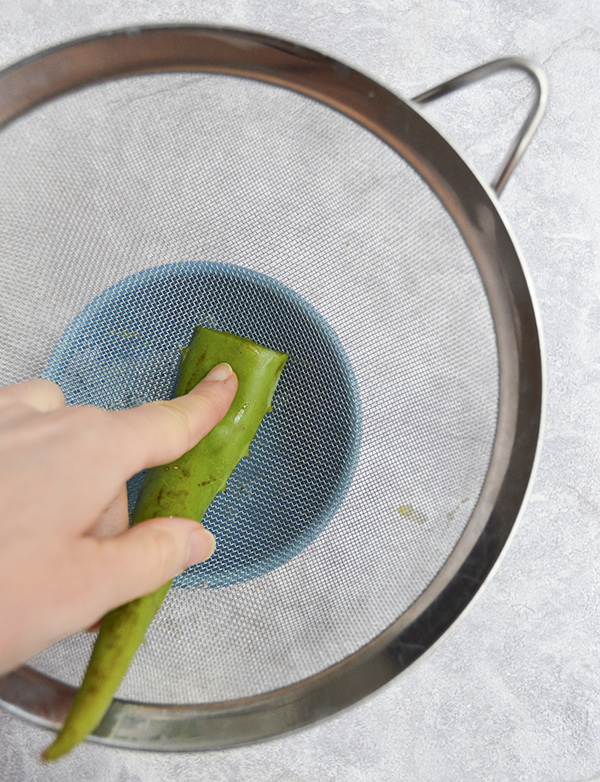
Aloe vera gel is cooling and anti-inflammatory. Because we’re making a spray, you want to make sure it’s not chunky when you add it to the blend. I peel one side of the skin off a piece of aloe plant and then press the gel through a strainer into a bowl to achieve this.

DIY Cooling Facial Mist for Rosacea Flare Ups - using essential oils and aloe, you can make this easy cooling facial mist at home! #rosacea #essentialoils #aromatherapy #diy #skincare

You could stop there with your cooling facial mist: peppermint hydrosol, aloe vera and lavender essential oil. In the below recipe, you’ll see I do add in one more essential oil. I personally use Helichrysm, but any of the essential oils I’ve listed for rosacea will work. If you already use a facial oil blend and have found an oil that works particularly well for your skin, use that. Top three I’d recommend choosing from are Helichrysm, German chamomile and Rose essential oils.

DIY Cooling Facial Mist for Rosacea Flare Ups

Links in this section are mostly to Plant Therapy products (via Amazon), a brand of essential oils I personally use and recommend. They’re affiliate links. For other brands I recommend, check out this post.

Ok so building off the previous section, here’s the base of our cooling mist for rosacea flare ups:

DIY Cooling Facial Mist for Rosacea Flare Ups - using essential oils and aloe, you can make this easy cooling facial mist at home! #rosacea #essentialoils #aromatherapy #diy #skincare

I’ll go into ways to tweak it to fit your personal skin needs and preferences, but first here’s the exact blend recipe I use:

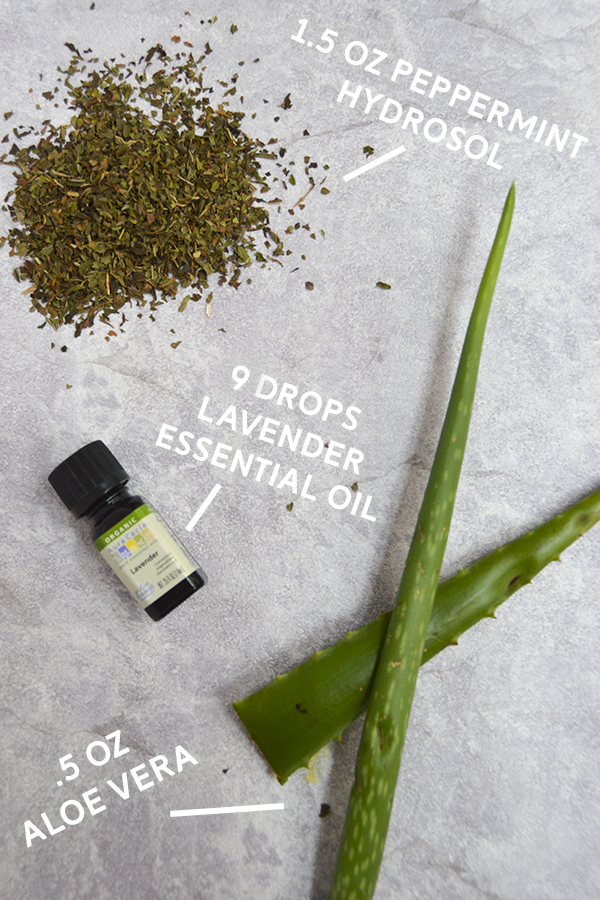
  • 1.5 oz (3 tbsp) Peppermint hydrosol
  • .5 oz (1 tbsp) Aloe vera
  • 9 drops Lavender essential oil
  • 3 drops Helichrysm essential oil (can use German chamomile, rose or another rosacea-friendly oil of choice)

You can make your own Peppermint hydrosol at home using the process I outlined in this post (just replace chamomile with peppermint). Or you can just buy it. If you do make your own, do so in a well ventilated room. The peppermint aroma and menthol vapor can be very overpowering and even irritating.

Especially if you have sensitive skin, it would be prudent to do a skin patch test before incorporating an oil into your blend. You can learn more about skin patch testing and essential oil safety here. Peppermint (and most essential oils) will irritate your eyes, so be sure to close them before misting the spray over your face. That probably goes without saying!

For an added cooling effect, I like to store my facial mist in the refrigerator. If you tend to experience rosacea flare ups after working out, pack it in your gym bag! Be sure to shake your blend before spritzing over your face.

Alternative Blend Options

If you don’t want to make or buy peppermint hydrosol, but you have peppermint essential oil on hand, you can adjust the above blend recipe as follows:

  • 1.5 oz (3 tbsp) distilled water
  • .5 oz (1 tbsp) aloe vera
  • 6 drops Lavender essential oil
  • 3 drops Peppermint essential oil
  • (optional) 3 drops German chamomile, Helichrysm or Rose essential oil – if you omit this, do 9 drops of Lavender instead of 6

In a pinch, you could also add 1 drop of peppermint essential oil to a quarter-sized dollop of aloe vera gel and smooth the gel over your face. If peppermint is too intense for your skin, do a drop of lavender essential oil in the aloe vera instead.

Other Considerations for Helping Rosacea Flare Ups

Having something on hand to help with rosacea flare ups is great, but you also want to figure out what’s triggering them in the first place. Some common rosacea triggers include:

  • Sun exposure
  • Extreme hot/cold weather or rapid change in temperature
  • Stress/anxiety
  • Consumption of spicy foods
  • Intense exercise
  • Alcohol
  • Tobacco

Pay attention to what you’re doing/consuming/feeling prior to a rosacea flare up. Identifying your triggers and then avoiding them (within reason) is one of the best things you can do for your skin condition.

Currently for me, the most common trigger of a rosacea flare-up is emotion. If I get upset, anxious, or even just really excited—I feel that uncomfortable heat start building in my cheeks and I know what’s coming. This cooling mist spray is great, but I may tweak it and replace the peppermint with a more emotionally calming essential oil to help with the feelings that commonly trigger my flare ups in the first place. I’ll of course keep you posted throughout this process!

xo Nicole

The statements and blends referenced in this post have not been evaluated by the Food and Drug Administration. Products and/or information are not intended to diagnose, treat, cure or prevent any disease. If you are pregnant, nursing, have a medical condition or are taking any medication, consult with your physician before using any essential oil or blend.

I’m a Certified Holistic Aromatherapist through the Institute of Integrative Aromatherapy and only share blends with you that I’ve personally used and from which I’ve benefited. I stand behind them 100%! That being said, essential oil blends are most effective when made with individual needs, goals and personality in mind.

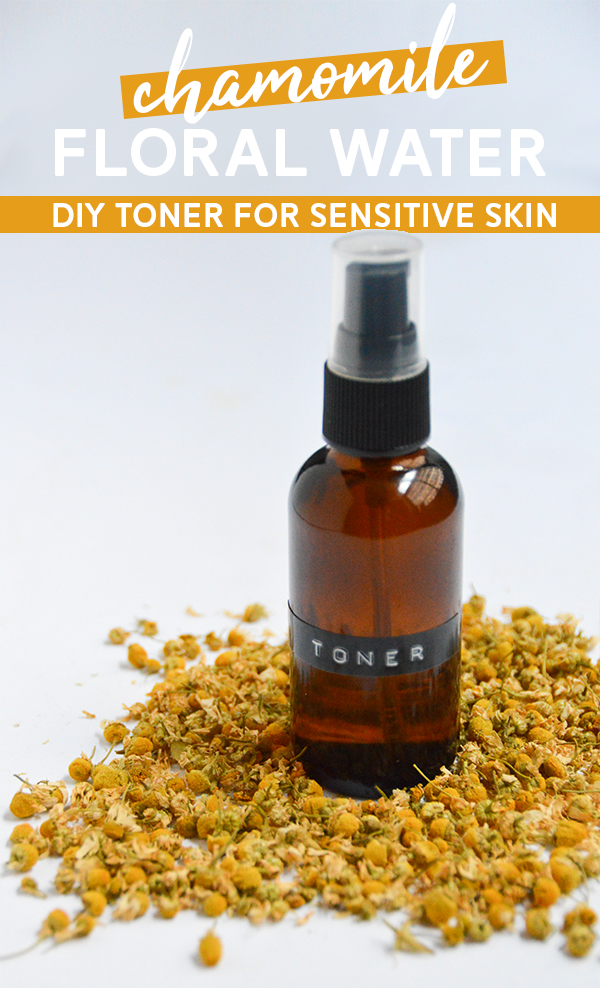
DIY Chamomile Floral Water Toner for Sensitive Skin

DIY Chamomile Floral Water Toner for Sensitive Skin - this simple floral water toner with german chamomile and apple cider vinegar can be great for sensitive skin! #essentialoils #aromatherapy #skincare #diyskincare

This DIY chamomile floral water toner is what I personally use for my rosacea, but it can also be great for any type of sensitive or easily-irritated skin. When I was learning about hydrosols (floral water) in my aromatherapy course, I was super into making my own at home, but to be honest I got lazy and just buy it now. So after I go through the step by step of how to make your own floral water, I’ll also share a link to the product for my fellow lazies. 😉

To learn more about rosacea and what I’ve done to get mine under control, check out this post: Essential Oils for Rosacea. And as with all posts like this, I want to remind you that I am a Certified Aromatherapist, not a doctor. I 100% stand by aromatherapy as a complementary therapy for skin issues, but the information in this post is not intended to replace advice from your dermatologist.

Why Floral Water for Sensitive Skin

Floral water (or hydrosol as it’s also called), is the water produced during steam distillation of plant material. It contains water-soluble fragrance molecules and a very small amount of essential oil. It’s great to use if you need a low concentration of essential oils or a low potency in general.

With sensitive skin, products with a simple, thoughtful ingredient list are often best. It can also be helpful to avoid products containing harsh astringents and alcohol. That’s where hydrosols come in. Gentle, alcohol-free toners can be hard to find on the shelves. But you can make your own toner at home by simply mixing some apple cider vinegar with floral water.

Best Hydrosols for Sensitive Skin

So which plant should you use for your hydrosol? If you’re like me and dealing with rosacea, I’d recommend:

  • German chamomile
  • Lavender
  • Orange blossom (Neroli)

If you don’t have rosacea but have other skin sensitivities, the above three are still great options. You could also use:

  • Melissa (Lemon balm)
  • Rose

You want to make sure you’re using organic and pesticide-free plant material. It should be one singular botanical species only. The above affiliate links are to Frontier Co-op’s Amazon store (they sell organic bulk herbs). Mountain Rose Herbs is another great supplier I’d recommend.

DIY Chamomile Floral Water Toner: How to Make It at Home

I use German chamomile in my toner, but you could use any of the options listed above instead. You might remember that I talked about how much I dislike the smell of German chamomile, but I don’t mind it as a toner. Because I’m applying a facial oil after the toner, the scent doesn’t linger and it doesn’t bother me.

You’ll need just three ingredients for this DIY chamomile floral water toner:

  • German chamomile (or herb of choice, see above list for options)
  • Distilled water
  • Apple cider vinegar
DIY Chamomile Floral Water Toner for Sensitive Skin - this simple floral water toner with german chamomile and apple cider vinegar can be great for sensitive skin! #essentialoils #aromatherapy #skincare #diyskincare

Instructions for DIY Chamomile Floral Water Toner

  1. Add 1 cup German chamomile and 2 cups distilled water to the bottom of a pot. Let soak for a couple hours.
  2. Place a vegetable steamer over the chamomile and water in the pot. Then place a small bowl on top of that. If you don’t have a vegetable steamer to separate the bowl from the chamomile, you can also place a stone at the bottom of the pot and prop the bowl on top of that.
  3. Put a lid *upside-down* to seal the pot. Make sure the lid doesn’t have steam holes in it. I suggest a lid that goes to a bigger pot than the one you’re actually using.
  4. Place ice on top of the upside-down lid. As the ice melts, you’ll need to replace it with fresh ice. If you keep the ice in bags and place the bags on the lid, it’ll save you from having to mop up the melted ice. If you put the ice cubes directly on the lid, have a turkey baster handy to suck up the pooling water.
  5. Put your DIY distiller on the stove over low-medium heat. As the chamomile water starts to evaporate, the steam will rise and hit the cold lid, turning back into a liquid. Because the lid is upside down, the drops of liquid will drip into the center and fall into your bowl. This is your hydrosol.

The process will take a couple hours. When you have your German chamomile hydrosol, let it cool, then assemble your toner in a small spray bottle. A dark-colored glass is best. Scale these numbers up or down as needed to accommodate the size of your spray bottle.

  • 2 oz German chamomile hydrosol
  • 2 tsp apple cider vinegar

The role of a toner is to balance the skin’s pH and provide moisture. Apply it daily after cleansing and before applying a facial oil and/or moisturizer. If you want to learn more about the facial oil I use for my rosacea, check out this post: DIY Facial Oil for Rosacea.

From the time of distillation, a hydrosol will remain fresh for eight months to two years (depends on how it’s stored, the plant, etc.). In general, if you don’t use it within six months, refrigeration is recommended to provide a longer shelf life.

Where to Buy Chamomile Floral Water

DIY Chamomile Floral Water Toner for Sensitive Skin - this simple floral water toner with german chamomile and apple cider vinegar can be great for sensitive skin! #essentialoils #aromatherapy #skincare #diyskincare

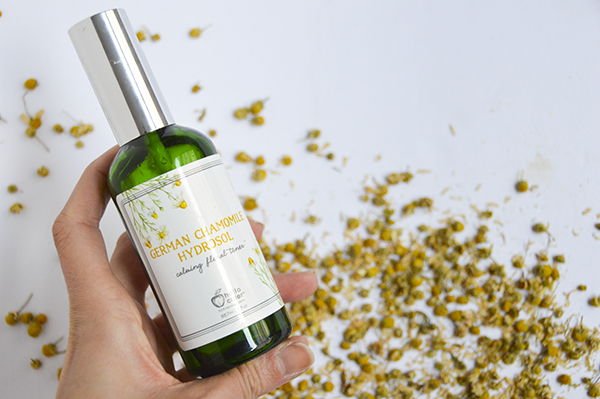
Don’t feel like making your own toner for sensitive skin at home? I hear you, I see you, I gotchu. This German Chamomile Hydrosol from Hello Cider is basically the exact same thing I just showed you how to make. It’s only ingredients: German chamomile hydrosol and apple cider vinegar. And it’s organic and available on Amazon. I’ve been using it for a few months now since my homemade batch ran out and love it—again, literally the same thing as my DIY chamomile floral water version.

xo Nicole

The statements and blends referenced in this post have not been evaluated by the Food and Drug Administration. Products and/or information are not intended to diagnose, treat, cure or prevent any disease. If you are pregnant, nursing, have a medical condition or are taking any medication, consult with your physician before using any essential oil or blend.

I’m a Certified Holistic Aromatherapist through the Institute of Integrative Aromatherapy and only share blends with you that I’ve personally used and from which I’ve benefited. I stand behind them 100%! That being said, essential oil blends are most effective when made with individual needs, goals and personality in mind.