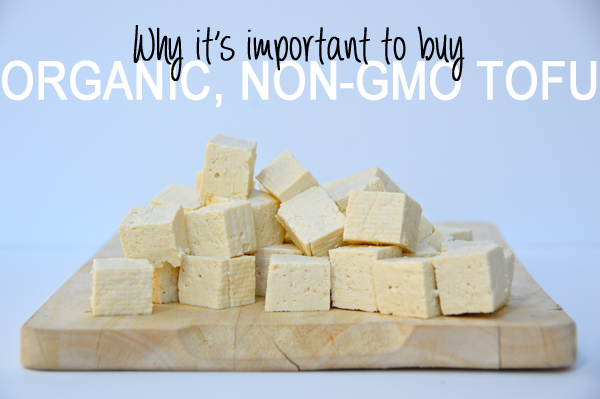
 Hey guys! If you follow me on Instagram, you might already know that I’m teaming up with Nasoya on a fun project. Over the next few months, I’ll be creating delicious tofu recipes and articles for the Nasoya site, as well as sharing some tofu-related blog posts on P&I. It was really important to me to start off with a post on organic, non-GMO soy because not only does it touch upon a big health topic, but explains why I agreed to work with Nasoya in the first place.
So let’s start by talking about genetically modified organisms (GMO). Altering the genetic makeup of foods can create crops that are pest-resistant, yield more produce, look “prettier”, grow quicker, etc. Economically, there is clearly an argument to genetically modify foods. When we take into consideration the health and environmental implications of it, however, it’s easy to understand why those three little letters, GMO, have gained such a nasty rap recently.
You’ve probably heard the name Monsanto before. This biotechnology company created a genetically engineered seed that can be easily sprayed with pesticide (another of their own products) so that farmers can hypothetically reduce costs and increase yields. However, it ended up creating an herbicide-resistant weed strain, which required even more toxic chemicals to kill. So we have nutrient-deficient soil and chemical-soaked produce. Awesome.
And the GMO concerns go beyond farming techniques. Splicing and modifying the genes of food creates the potential for new allergens, high concentrations of naturally occurring plant toxins, and nutritional problems. This is where I want to bring soy and tofu into the conversation. Lots of plants naturally contain substances (certain proteins, minerals, vitamins, etc.) that in high quantities can have adverse health effects. In their small, naturally occurring doses—not a concern (unless you have a severe allergy). But studies show that genetically modified crops can have unexpected, increased levels of these known toxins (in addition to all the toxins/pesticides from the environment).
Think of the foods people are commonly allergic to or intolerant of: peanuts, dairy, wheat/gluten, soy. It’s no coincidence that these are also some of the most commonly genetically modified foods. Wheat, corn and soy are three of the biggest crops out there, and consequently, largely altered. Upwards of 90% of soy in our country is genetically modified. That. Is. Scary. Am I suggesting that your cousin’s severe peanut allergy would be cured by switching to organic, non-GMO nuts? No, there are of course people who are allergic to foods regardless of their GMO/non-GMO status. But I am encouraging you to take a closer look at what you’re actually putting into your body before villainizing a certain food.
Let’s use this oh-so-trendy war on gluten as an example. Lots of people notice they feel better when they cut this common allergen out of their diet. But it doesn’t necessarily mean they have a gluten allergy. By cutting out gluten, they’ve probably cut out a lot of processed, GMO-riddled crap (TV dinner pizzas, bread-battered fried chicken, etc. etc.). Of course they feel better! The same goes with soy. Just like gluten, you’ll find soy sneaking into a lot of packaged foods (usually in the form of soy protein isolates and hydrolyzed vegetable protein). It’s not necessarily soy that’s the bad guy, it’s the fact that it’s been genetically modified and is with a bunch of other chemical faux foods in a packaged bag of junk. Remember, GMOs weren’t even around until the mid ‘90s. Hmmm relatively recent introduction of GMOs and relatively recent “trend” in gluten and soy allergies…coincidence? I’ll leave it up to you to decide. 🙂
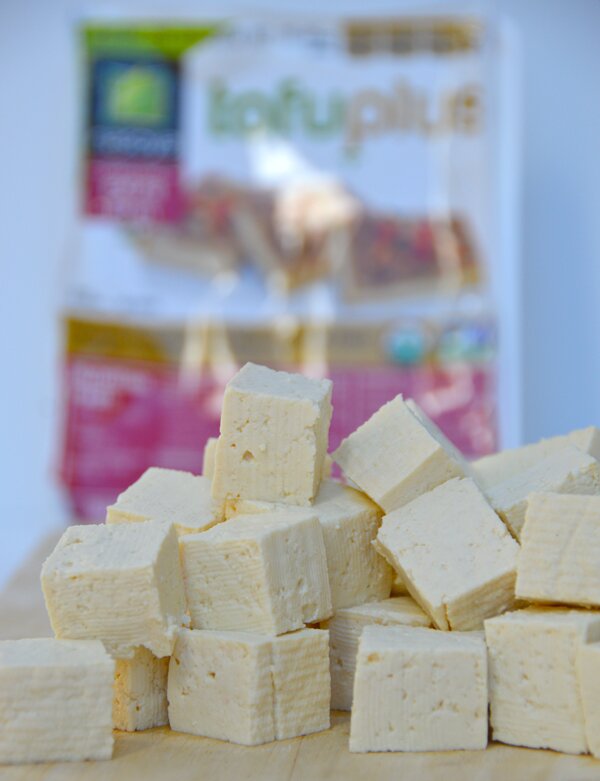
Alright, ten hours later, I’ve arrived at my point: only eat organic, non-GMO tofu. Remember, only about 10% of our nation’s soy crops fit this description, so it’s important to read labels carefully. Nasoya is a great option, and I’m excited to be working with a company committed to bringing you organic, non-GMO tofu! You can use their Where to Buy tool to see the grocery store closest to you that carries their tofu.
I also want to acknowledge that there are reasons beyond GMO why a person might want to limit the consumption of soy. Number one is, of course, if you have a legitimate soy allergy! Also, if you have thyroid issues, even organic, non-GMO tofu should be eaten in very limited quantities because it contains isoflavones that mimic the effect of estrogen and can alter thyroid levels. Otherwise, I think tofu can be a great addition to meals for adding substance and protein! I’ve been having a lot of fun in the kitchen experimenting with how to cook tofu—it’s such a versatile food! Stay tuned; I’ll be sharing all the Nasoya tofu recipes I create with you guys.
Phew. Ok, this post ended up being a little longer than expected—I get a little carried away when I start talking about food politics. And that being said, I know this is a controversial topic, so don’t be afraid to disagree with me in the comments section—it’s an important discussion to have as our society makes the shift towards more conscious eating!
This post was sponsored by Nasoya. I was given full creative control over the content, and all opinions are my own…as always.

P.S. Today is your last chance to enter to win a Fitbit Flex, $250 Market Basket gift card, snacks from Orchard Valley Harvest & a water bottle. I’ll draw the winner tonight. Head over to last week’s post and leave a comment saying something positive about yourself. Need some inspiration? Watch this video:






Awesome post! So informative, Nicole!
Thanks for this informative post. I don’t think GMO foods are an issue (yet) in Australia, but we all need to keep informed!
Here is a subject on which too many people are under-educated and know only buzzwords. Shoot, I’m not personally ready to take a hardline stance on such a multi-faceted subject. But if you really want to nerd out on GMOs, Grist wrote a series of articles on the subject a while back: http://grist.org/series/panic-free-gmos/. The article “Genetically modified literature” even has a nice list of reading from both sides of the argument. -Love, your resident agricultural & food economist
Finally had a chance to read a couple of the articles–these are great! Thanks for sharing 🙂
Great post Nicole, I totally agree, I feel like a lot of foods get a bad wrap not because they are bad for us but because people pick up the GMO version! Thanks for clueing people in! Lots of Love C